

Building a Distinctive Brand Identity with Strategic Logo Design: A Case Study from the Clothing Industry.
- Jul 21, 2025
- 4 min read
Updated: Mar 25

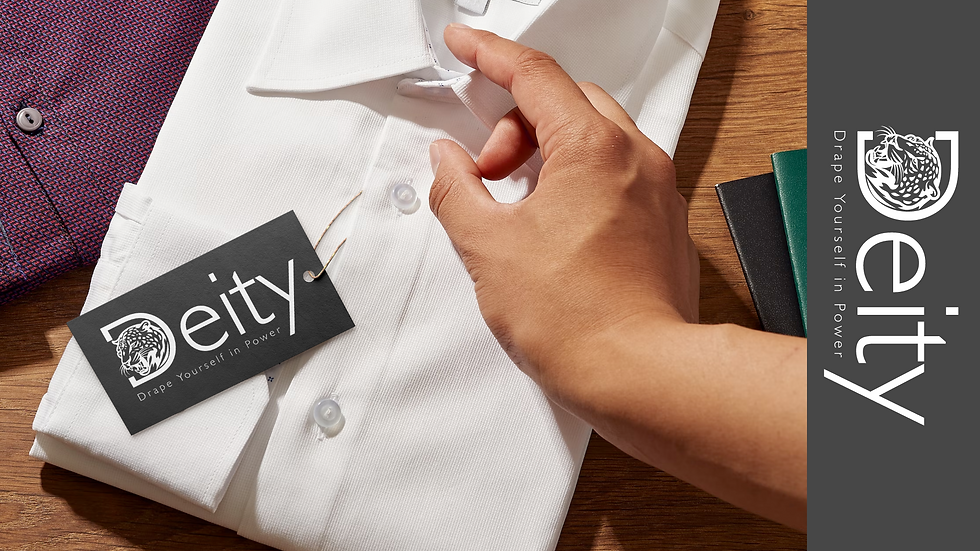
The logo for Deity clothing features a stylized leopard’s head in profile view. The treatment is dark and powerful, conveying a sense of strength and fierce elegance. The leopard, a symbol of power, grace, and wildness, perfectly embodies the brand’s name, “Deity,” suggesting a powerful and commanding presence.
The dark color palette, predominantly black and white, further enhances the logo’s sophisticated and mysterious feel. The accompanying tagline, “Drape Yourself in Power,” reinforces the brand’s message, emphasizing the empowering effect of wearing Deity clothing. The overall design is striking and memorable, successfully communicating the brand’s identity and target audience.
Creating a strong brand identity is crucial for any business aiming to stand out in a competitive market. At the heart of this identity lies an effective logo design, which serves as the visual cornerstone of a brand. A logo is not just a simple design; it is a symbol that represents the essence of a brand. This blog post offers tips and strategies for designing a memorable logo that resonates with audiences, helping businesses forge a unique identity.
Understanding Logo Design Importance
A logo is often the first interaction potential customers have with a brand. It serves several purposes: it communicates values, enhances brand recognition, and builds trust with consumers. Recognizing the importance of a strong logo can set the foundation for a successful brand identity.
The logo should encapsulate the brand's mission and vision, acting as a visual shorthand that conveys what the brand stands for—whether it’s adventure, luxury, creativity, or reliability. Given its significance, investing time and effort into crafting the perfect logo design is essential for any business looking to enhance its brand identity.
Research and Inspiration
Before diving into the design process, research is crucial. Understanding competitors and industry trends can provide insights into effective design choices.
Explore various design styles and trends by analyzing logos from similar companies. Look for patterns and elements that work well, and identify what doesn’t resonate. Resources such as design galleries can be invaluable for discovering inspiration.
It’s also essential to pinpoint the emotions and messages you want your logo to convey. Create a mood board that captures your brand's essence through colors, typography, and shapes. This serves as a foundation for the design process.
Defining Your Brand’s Values and Mission
Your logo should reflect your brand’s core values and mission. Spend time articulating what your business stands for, as this will guide your design decisions.
Consider the following questions:
What makes your brand unique?
What message do you wish to communicate?
Who is your target audience?
By clearly defining these aspects, you ensure that every design element—from colors to fonts—aligns with your brand identity.
Simplicity is Key
One of the fundamental principles of effective logo design is simplicity. A simple logo tends to be more memorable and versatile, allowing it to stand the test of time.
Avoid overly complex designs that may lose clarity when scaled down or viewed from a distance. Think of iconic logos such as Nike or Apple—both are simple yet instantly recognizable. Your logo should be easy to remember, recognize, and reproduce, making it accessible for various applications, from business cards to large signage.
Choosing the Right Colors
Colors play an essential role in logo design, impacting perceptions and emotions associated with your brand. Each color evokes different feelings and meanings, so choosing the right color palette is paramount.
For instance:
Blue often conveys trust and reliability.
Red can evoke excitement and passion.
Green is frequently associated with health and nature.
Black and white, enhances the logo’s sophisticated and mysterious feel.
Consider your brand's personality when selecting colors. Creating a harmonious color palette that reflects your business values will help create a stronger connection with your audience.
Typography Matters
Typography is another critical element in logo design. The font you choose can significantly impact how your brand is perceived. It should align with your brand identity and resonate with your target audience.
For instance, a tech company may opt for sleek, modern fonts, while a handcrafted goods business might lean towards more vintage or script styles. Ensure the font is legible and complements your logo's overall aesthetic.
Versatility and Scalability
Your logo will appear in various sizes and on a multitude of platforms—both online and offline. Therefore, it’s essential to design a logo that maintains its integrity across different formats.
Test your logo at varying dimensions to ensure it remains recognizable and effective. A great way to ensure versatility is to create a vector version of your logo, as this can be resized without losing quality.
Seek Feedback
Once you have a few logo concepts, collecting feedback from trusted sources can provide fresh perspectives. Share your designs with a focus group made up of your target audience and ask for their opinions.
While you should be open to constructive criticism, keep in mind that not all feedback may align with your vision. Trust your instincts, but use feedback to refine your design further.
Professional Assistance
If you’re not confident in your design skills, consider hiring a professional logo designer. An experienced designer can help translate your vision into a compelling visual identity.
Look for designers with a portfolio that resonates with your brand ethos, and ensure they understand your mission and values. A good designer will collaborate with you to create a logo that perfectly encapsulates your brand identity.
Final Tips for Logo Design Success
Avoid using clichés or trends that may quickly go out of style.
Ensure your logo works well in black and white as well as color.
Keep an eye on competitors but strive for originality.
Be prepared to invest time and resources; a well-designed logo is a long-term asset.

Conclusion
Building a strong brand identity through effective logo design is a multifaceted process that requires research, creativity, and strategic thinking. By understanding your brand's values, utilizing simplicity, and considering elements like color and typography, you can create a logo that resonates with your audience and stands out in a crowded marketplace.
Ultimately, a well-crafted logo is more than just a graphic; it’s a pivotal part of your brand's identity that can foster recognition and loyalty over time. Take the necessary steps to craft a logo that not only represents your brand but also evolves with it as your business grows.
Contact Us to Know more...


Comments