
Unlocking Success with Essential UI/UX Design Principles for Startups Through Case Study Insights
- girish batra
- Jun 5
- 3 min read

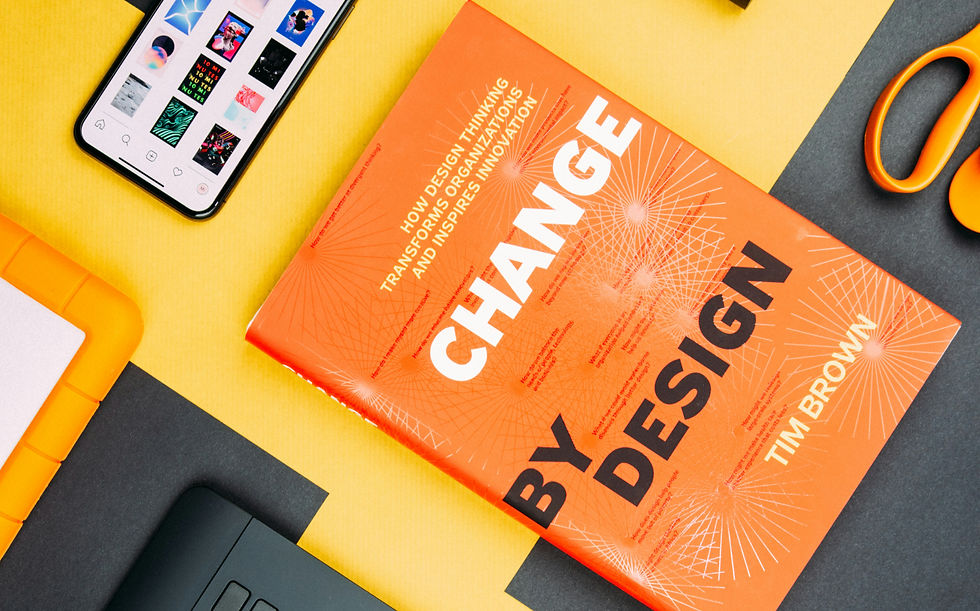
In a world filled with apps and websites, capturing user attention is crucial for startups. Great UI/UX design can make the difference between a user sticking around or leaving disappointed. Startups, often operating with tight budgets and resources, can gain a competitive edge by focusing on key design principles. This blog post explores essential UI/UX design elements that every startup should adopt, illustrated by case studies showcasing how good design translates into improved user engagement.
Understanding Your Users: The Foundation of Great Design
A successful design begins with a deep understanding of users. User research is essential to uncover needs, preferences, and pain points. Unfortunately, many startups design based on assumptions rather than data, which can lead to costly mistakes.
Take Airbnb as a notable example. Initially, the company struggled with user engagement due to a cluttered interface and complicated navigation. By actively seeking user feedback and conducting thorough research, Airbnb revamped its design. This included clearer navigation and vibrant images that capture unique experiences. As a result, bookings soared by 25% after these changes were implemented, underscoring the power of understanding users in the design process.
Consistency is Key: Building Trust with Design
Consistency is vital in creating a reliable product. Adhering to a uniform color palette, typography, and overall design style strengthens brand identity, fostering user trust. Inconsistent designs can bewilder users, often leading to reduced retention rates.
Slack exemplifies this principle. The platform showcases a cohesive visual identity across both web and mobile applications, making users feel at ease, regardless of the device they use. This consistency not only increases usability but also strengthens brand recognition, which has contributed to an impressive user growth rate of over 600% since its launch.

Simplicity Over Clutter: Clarity in Design
Simplicity often prevails over complexity in UI/UX design. Startups should aim to create interfaces that are visually appealing, intuitive, and easy to navigate. Too much clutter can overwhelm users, leading to higher bounce rates.
Look at Google Search, a masterclass in simplicity. Its clean design minimizes distractions, allowing users to focus on the task at hand. This strategic choice not only boosts engagement but also solidifies Google’s position as the leading search engine, managing over 3.5 billion searches daily.
Visual Hierarchy: Guiding User Attention
A well-designed user interface employs visual hierarchy to guide users through content effortlessly. By emphasizing important elements through size, color, and layout, startups can direct users' attention to key actions and information.
Consider Dropbox. When users visit their website, they are immediately drawn to vital features highlighted prominently on the page. The intentional use of whitespace reduces cognitive load, allowing users to concentrate on their next steps. This approach has helped Dropbox achieve over 700 million registered users, demonstrating the importance of effective visual hierarchy.
Responsive Design: A Must for Modern Users
With the rise of mobile device usage, responsive design is essential for startups. A product that adapts seamlessly to different devices improves user satisfaction and expands the potential audience.
Starbucks offers a great example of responsive design in action. Their mobile app works flawlessly across devices, providing a rich experience. Features like rewards tracking and mobile ordering are easily accessible, contributing to a significant increase in app engagement. In fact, over 25% of Starbucks' transactions are now made via the app, showcasing how responsive design can enhance user experience.
Accessibility: Designing for All Users
Creating a user-friendly experience means considering accessibility. Designing for inclusivity ensures that all users, including those with disabilities, can navigate platforms effectively. Startups that focus on accessibility broaden their audience and show a commitment to equality and usability.
The BBC is a powerful example here. After revamping their website to adhere to web accessibility guidelines, they made navigation easier for visually impaired users and provided alternative formats for multimedia content. The result? User engagement surged by 15% after the redesign, illustrating how inclusive design can yield significant business benefits.
Feedback Loops: Iterative Improvement
Continuous improvement through feedback loops is crucial in UI/UX design. Startups should prioritize collecting feedback and analyzing user behavior to refine their designs.
Instagram embodies this principle beautifully. Initially launched with basic features, Instagram continually gathered user feedback, leading to new features like Stories and Explore. This responsiveness keeps users engaged and active on the platform. In just over a decade, Instagram has amassed over 2 billion monthly active users, illustrating the power of iterative design.
Final Thoughts
Applying essential UI/UX design principles can greatly influence a startup's success. From understanding user needs to ensuring consistency, accessibility, and fostering continuous improvement, every element matters for enhancing user engagement.
By learning from successful examples like Airbnb, Slack, Google, Dropbox, Starbucks, and the BBC, startups can adopt valuable lessons for their design strategies. Investing in effective UI/UX design not only boosts user satisfaction but also sets the stage for long-term success in a crowded marketplace.


Comments